Balanced legs depend on the visual relationship between thigh, calf and ankle. Volume in the thigh alone rarely creates harmony. When the lower leg stays narrow, the whole silhouette can look top-heavy or unfinished.
Some patients train for years with squats, calf raises and cycling, yet see little change below the knee. Muscle shape is largely inherited. A short muscle belly or a high insertion point limits growth, no matter how disciplined the routine.
A calf implant offers a structural answer. Placed with precision, the device rebuilds contour from knee to ankle and corrects asymmetry that exercise cannot reach. Modern calf augmentation belongs to body contouring surgery, restoring proportion rather than simply adding bulk.
İstanbul has become a recognised centre for this specialised field. Dr. Ercan Karacaoğlu plans calf implants in İstanbul around each patient’s measurements, skin quality and personal goals, with tailored support for those travelling from the United Kingdom.
This guide explains how calf implants improve lower body proportions, covering leg anatomy, implant technology, suitable candidates, the surgical journey, recovery and safety. İstanbul plastic surgery calf implants are described here with realistic expectations and clear medical detail.
Lower Body Proportions and Why Calves Matter
The lower limb is read by the eye as a single flowing line. Thigh, knee, calf and ankle each contribute to that line, and a shortfall in one area draws attention to the whole leg. Surgeons assessing candidates for lower leg augmentation İstanbul begin with this proportional framework rather than with implant size.
The Aesthetic Ideal: Ankle-to-Calf Ratio and Leg Symmetry
Classical aesthetic analysis favours a calf circumference roughly 1.4 to 1.5 times that of the ankle, with the fullest point of the medial calf sitting just below the knee. Symmetry between the right and left leg matters as much as volume; differences of more than one centimetre are often noticed in shorts or a dress.
How Thin or Underdeveloped Calves Affect Overall Silhouette
Slim calves can make the ankle appear thick, the knee appear wide and the thigh appear disproportionately heavy. Patients frequently describe their legs as looking “straight up and down”. Understanding how calf implants improve lower body proportions helps explain the visual shift: added width at the muscle belly restores taper towards the ankle and softens the outline of bowed legs.
Why Exercise Alone Cannot Always Reshape the Lower Leg
Gastrocnemius muscle bulk is strongly influenced by genetics, tendon length and fibre type. A long Achilles tendon with a short muscle belly limits hypertrophy, no matter how disciplined the training programme. Neurological conditions, previous polio and trauma can leave permanent deficits. For these patients, calf reshaping surgery Turkey offers a predictable, measurable correction where the gym cannot.
What a Calf Implant Is and How It Reshapes the Leg
A calf implant is a soft, custom-selected device placed inside the lower leg to add volume where muscle bulk is missing. It does not replace muscle. It sits beside it, projecting the contour outwards so the leg reads as fuller and better balanced from knee to ankle.
The principle is simple: shape the outline of the leg by adding controlled volume in precise positions.
Materials, Shapes and Sizing Options
Modern silicone calf implants İstanbul patients receive are made from medical-grade elastomer, the same family of materials used in reconstructive surgery for decades. Devices come in tapered teardrop, oval and asymmetrical designs, with lengths and projections measured in millimetres.
Sizing is never guesswork. Leg length, calf circumference and skin elasticity all guide the choice, which is why calf muscle implants Turkey specialists select devices after physical measurement rather than from a catalogue alone.
Soft Solid Versus Cohesive Gel Devices
Soft solid silicone implants hold their shape permanently and cannot leak, making them a dependable option for athletic patients. Cohesive gel devices feel slightly softer to the touch and mimic relaxed muscle more closely.
Both types are durable. The decision usually rests on desired firmness, activity level and the amount of soft tissue available for coverage.
Placement Above the Gastrocnemius Explained
Each calf implant is positioned in a pocket created above the gastrocnemius muscle, beneath its fascia. This subfascial plane holds the device securely, keeps the edges soft to the eye, and leaves the muscle itself untouched.
Muscle function stays intact, walking mechanics are preserved, and the implant moves naturally with the leg.
How Calf Implants Improve Lower Body Proportions From Knee to Ankle
Proportion is measured, not guessed. Surgeons assess the leg as a series of curves that flow from knee to ankle, and an implant is selected to restore any curve that nature or injury has left flat. Understanding how calf implants improve lower body proportions begins with these measurements.
Creating Fullness in the Medial and Lateral Calf
The gastrocnemius muscle has two heads. The inner head produces the soft bulge seen just below the knee, while the outer head shapes the leg when viewed from behind. One implant may be placed over the medial head for a gentle, feminine sweep, or two implants may be used for balanced muscular volume. Cosmetic calf enhancement İstanbul patients often request subtle inner fullness that reads as natural muscle in shorts or a dress.
Balancing Thigh, Calf and Ankle Circumference
Aesthetic harmony depends on relationships. A slender ankle looks elegant beside a full calf, and a well-shaped calf supports the visual weight of the thigh. Careful sizing narrows the gap between these three measurements, so the leg tapers smoothly rather than dropping straight from knee to foot.
Correcting Bow Legs and Visual Leg Straightening
Mild bow legs create an outward curve with a visible gap between the knees. Implants positioned along the inner calf fill that space optically, giving the impression of a straighter limb without touching bone. Lower leg augmentation İstanbul procedures follow the same principle for asymmetry, where one calf is filled to match its counterpart.
Results are shaped by anatomy, so candidacy is discussed individually during consultation.
Who Benefits Most From Calf Augmentation Surgery in Turkey
Not every slim leg requires surgical correction. Suitability depends on skin quality, muscle bulk, ankle circumference and realistic expectations. Three patient groups consistently achieve the most rewarding outcomes from calf augmentation surgery Turkey offers, each with distinct goals and planning needs.
Genetically Slim or “Chicken Leg” Calves
Some people inherit a short gastrocnemius muscle with a high muscle belly and long tendon. No amount of calf raises will change that anatomy. These patients often describe years of avoiding shorts, skirts or cycling. A carefully sized calf implant in İstanbul restores width where the muscle simply cannot grow, producing a smoother curve from knee to ankle.
Post-Polio, Trauma and Congenital Asymmetry Correction
Reconstructive candidates form a significant share of cases. Childhood polio, nerve injury, fracture with muscle loss, club foot or hemihypertrophy can leave one leg visibly thinner. Unilateral implants restore balance, allowing both legs to appear equal in trousers and in bare-leg clothing. Measurements are taken from the healthy side to guide device selection.
Bodybuilders and Athletes Seeking Muscular Definition
Competitive athletes frequently reach a plateau where calves lag behind well-developed thighs and upper body. Aesthetic calf surgery İstanbul specialists perform for this group focuses on subtle medial fullness that flatters a trained physique rather than exaggerated volume.
Good general health, stable weight and no active leg vein disease remain essential. Smokers are advised to stop several weeks before surgery to protect healing.
Choosing Calf Implants in İstanbul With Dr. Ercan Karacaoğlu
Calf augmentation is a precision procedure. The size, shape and position of the device determine whether the result looks athletic or artificial. Selecting a surgeon with genuine experience in lower leg contouring matters more than the clinic’s location or price list.
Proven Expertise in Lower Leg Contouring
Dr. Ercan Karacaoğlu is a plastic, reconstructive and aesthetic surgeon based in İstanbul, with a long-standing interest in body contouring and facial aesthetics. His approach to calf implants in İstanbul is anatomical rather than formulaic. Each leg is assessed separately, since most patients have natural asymmetry between the right and left gastrocnemius muscles.
Tailored Implant Selection and Sizing
During consultation, calf circumference, muscle bulk, skin elasticity and ankle width are measured. These figures guide the choice of implant profile, projection and length. Patients considering leg implants İstanbul are shown how different sizes would alter their silhouette before any decision is made. Conservative sizing is often recommended for slim patients, protecting the skin envelope and reducing tension on the closure.
Why British Patients Travel to Turkey
Calf augmentation remains a niche operation in the United Kingdom, with few surgeons performing it regularly. UK patients seeking İstanbul plastic surgery calf implants gain access to a surgeon who treats this procedure as part of routine practice, combined with shorter waiting times and coordinated aftercare.
Consultations may be arranged remotely, with photographs and measurements reviewed before travel. Written treatment plans, transparent pricing and follow-up contact after returning home form part of the standard pathway for international patients.
The Calf Reshaping Surgery Journey Step by Step
Knowing what happens at each stage helps patients feel prepared and relaxed. The pathway for calf reshaping surgery Turkey follows a clear sequence, from the first measurements to the moment a patient walks out of the clinic with new leg contours.
Consultation, Measurements and Digital Planning
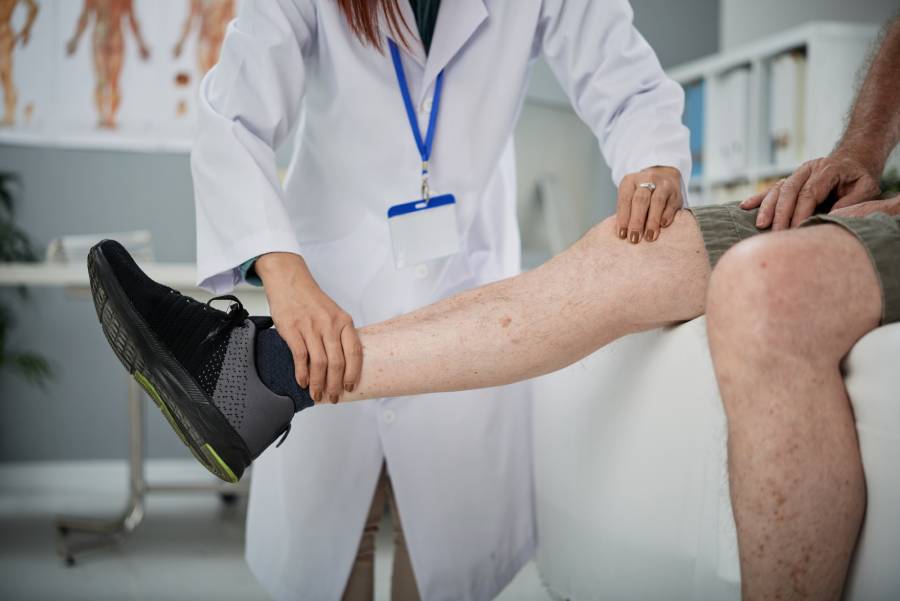
The journey begins with a detailed assessment of leg length, muscle bulk and skin quality. Dr Ercan Karacaoğlu records calf, ankle and thigh circumference at fixed points, comparing both legs for asymmetry. Photographs and digital planning help patients visualise the size and shape of a calf implant in İstanbul before any decision is made.
Anaesthesia Options and Operating Time
Most procedures are performed under general anaesthesia, though epidural or spinal anaesthesia suits selected patients. Surgery usually takes between 60 and 90 minutes for both legs. A qualified anaesthetist monitors the patient throughout, and blood pressure, oxygen levels and heart rhythm are checked continuously.
Incision Placement in the Popliteal Crease for Hidden Scars
A small incision of roughly three to five centimetres is made within the natural crease behind the knee. This position conceals the scar in an existing skin fold. A pocket is created above the gastrocnemius muscle, the implant is positioned, and the wound is closed in layers with fine sutures.
Same-Day Discharge and Overnight Monitoring
Many patients undergoing calf augmentation surgery Turkey return to their hotel the same day. An overnight stay is offered when both legs are treated or when patients travel alone. Nursing staff check circulation, pain levels and mobility before discharge, with clear written aftercare instructions provided.
Recovery, Results and Long-Term Care After Lower Leg Augmentation
Healing after calf augmentation is steady rather than dramatic. Patients who understand the timeline tend to feel calmer and follow aftercare instructions more closely. Dr Ercan Karacaoğlu provides each patient with a written recovery plan before they leave the clinic in İstanbul.
The First Fortnight: Swelling, Walking and Compression Garments
Tightness in the calves is normal for the first few days, much like the ache that follows a hard gym session. Short, gentle walks begin on day one to support circulation and reduce clot risk. Compression stockings are worn continuously for around two weeks, and legs should be elevated while resting. Swelling and bruising peak by day three, easing noticeably by the end of the second week.
Returning to Work, Driving and the Gym
Desk-based work is usually possible after seven to ten days. Driving resumes once patients can brake comfortably without hesitation, often around ten days. Light cardio starts at four weeks, while running, jumping and calf raises wait until week eight. Patients who travel for lower leg augmentation İstanbul are advised to stay locally for five to seven nights before flying home.
When Final Proportions Become Visible
Early results appear exaggerated because of swelling. Contours settle at roughly three months, with the ankle-to-calf balance fully defined by six months. Photographs taken at this stage show the true effect of aesthetic calf surgery İstanbul patients seek.
Longevity, Maintenance and Revision Considerations
Silicone calf implants İstanbul surgeons use are designed to last a lifetime and need no routine replacement. Annual reviews, sensible weight management and good skin care protect the result. Revision remains straightforward should size adjustment or repositioning ever be desired.
Risks, Alternatives and Combined Procedures for Cosmetic Calf Enhancement
Every surgical decision deserves clear information. Calf augmentation carries a small risk of infection, seroma, temporary numbness, implant displacement, capsular firmness or delayed wound healing at the popliteal incision. Compartment pressure can rise if an implant is oversized, which is why careful measurement matters so much. Patients considering calf muscle implants Turkey should expect a frank discussion of these points before signing consent.
Not everyone needs an implant. Suitable alternatives include fat transfer for patients with adequate donor tissue, targeted resistance training for those with genuine muscle potential, and dermal filler or biostimulator injections for very mild contour gaps. Fat grafting suits subtle refinement, while implants remain the reliable choice for slim, non-responsive lower legs. Cosmetic calf enhancement İstanbul planning weighs body type, skin quality and long-term goals together.
Many patients combine procedures for balanced results. Common pairings involve liposuction of the ankles or inner knees, thigh contouring, hip or buttock augmentation, and correction of asymmetry after trauma. Grouping treatments in one anaesthetic session shortens total recovery and reduces travel costs for international visitors booking calf implants in İstanbul.
The next step is straightforward. A detailed consultation with Dr. Ercan Karacaoğlu covers measurements, implant sizing, medical history, realistic outcomes and a written recovery plan. Photographs sent in advance allow an initial assessment before travel, giving UK patients confidence that the proposed approach suits their proportions and lifestyle.
Ready to transform your lower body silhouette?