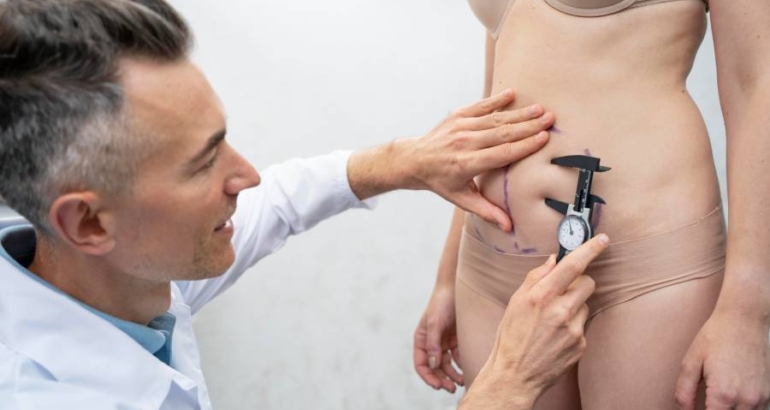

A mummy makeover in Turkey is a personalised combination of procedures, most often a tummy tuck, a breast procedure and liposuction, planned to address changes after pregnancy and breastfeeding. For UK patients, the cost depends mainly on which procedures are combined, how long you need to stay in Istanbul and what is included in your package. Recovery takes several weeks and varies from person to person, so planning your aftercare back home matters as much as the surgery itself.
What is a mummy makeover?
“Mummy makeover” is not a single operation. It is a term for a tailored plan that may include:
- Tummy tuck (abdominoplasty) to remove loose skin on the lower abdomen and, where needed, repair separated abdominal muscles
- Breast lift, breast augmentation or a combination of the two, to address loss of volume or sagging
- Liposuction to contour areas such as the waist, hips or thighs
Not every patient needs every element. Your plan is agreed with Prof. Dr. Ercan Karacaoğlu after an assessment of your health, your goals and your anatomy. You can read more about the components on our mummy makeover in Istanbul page and in what operations are involved in a mummy makeover.
What affects the cost of a mummy makeover in Turkey?
We do not publish a single price, because two mummy makeovers are rarely the same. The main factors that shape your quote are:
- Scope of surgery: how many procedures are combined, and whether muscle repair, implants or a lift are needed
- Operating time and anaesthesia: longer, combined operations need more theatre and anaesthetic time
- Hospital stay: the number of nights you spend in hospital after surgery
- Length of stay in Istanbul: hotel nights needed before your surgeon is happy for you to fly
- What the package includes: for example pre-operative tests, transfers, accommodation, compression garments, medication and follow-up appointments
- Staged surgery: if combining everything in one session is not advisable for you, splitting it into two operations changes the overall plan
When you compare quotes from the UK and Turkey, check that you are comparing the same things: the same procedures, the same inclusions, and a clear plan for follow-up and for what happens if a complication needs treatment. For an accurate figure, request a personalised quote after sending your photos and medical history.
Who may be suitable, and who may not
You may be a suitable candidate if you:
- are in good general health and a non-smoker, or willing to stop smoking for the period your surgeon advises
- have reached a stable weight you can maintain
- have finished breastfeeding and are not planning further pregnancies
- have realistic expectations about scars and results
Surgery may need to be delayed or may not be advisable if you are planning another pregnancy, are still losing weight, smoke, or have health conditions that increase surgical risk, such as uncontrolled diabetes, a history of blood clots or certain heart and lung conditions. Your surgeon will assess this individually. See also how soon after childbirth you can have a mummy makeover.
The procedure: technique, anaesthesia and hospital stay
A mummy makeover is performed under general anaesthesia in a hospital setting. Surgery takes place at Ataşehir Memorial Hospital in Istanbul. The length of the operation depends on how many procedures are combined, and you will stay in hospital after surgery so that you can be monitored. Your surgeon will confirm the expected operating time and number of hospital nights for your specific plan during your consultation.
Scars depend on the procedures chosen. A tummy tuck usually leaves a low horizontal scar that can be hidden by underwear, and breast procedures leave scars whose pattern depends on the technique. Scars fade over time but do not disappear.
Risks and possible complications
All surgery carries risks, and combining several procedures means a longer operation. Possible complications include:
- bleeding or a collection of blood (haematoma)
- fluid collection (seroma), particularly after a tummy tuck
- infection
- delayed wound healing or wound separation
- blood clots in the legs (deep vein thrombosis) or lungs (pulmonary embolism); long-haul travel soon after surgery can add to this risk
- changes in skin or nipple sensation
- raised, wide or noticeable scars
- asymmetry or results that differ from what you expected
- implant-related problems, if implants are used
- risks related to general anaesthesia
Some complications may need further treatment or another operation. Ask your surgeon how your individual risks will be reduced, and what the plan is if a problem appears after you return to the UK.
Recovery timeline
Recovery varies from person to person and depends on the procedures combined. The outline below is a general guide only; your surgeon will give you a personal plan.
- First days: you will be monitored in hospital, then rest in your accommodation. Discomfort, swelling and tightness are expected and managed with prescribed medication. Short, gentle walks help circulation.
- First two weeks: check-ups and wound reviews in Istanbul. You will wear a compression garment and avoid lifting, including lifting children.
- Weeks two to six: gradual return to light daily activities. Many people need several weeks off work, depending on their job. Strenuous exercise and heavy lifting remain off limits until your surgeon advises otherwise.
- Months three to twelve: swelling continues to settle and scars mature. Your final result becomes clearer over this period.
Because you will have young children at home, arrange practical help for the first weeks back. Read more in mummy makeover recovery in Turkey and how recovery differs between combined and single procedures.
Travelling from the UK: flights and length of stay
The main planning question is how long you need to stay before flying home. This depends on your procedures, how you heal and your surgeon’s assessment at your final check-up. Book flexible return tickets, and do not fly home until your surgeon confirms it is safe.
It is wise to travel with a companion who can help you during the first days. On the flight home, follow your surgeon’s advice on compression garments, walking in the aisle and staying hydrated to lower the risk of blood clots.
Aftercare back home: your GP and the NHS
Continuity of care is one of the most important parts of having surgery abroad. Before you travel:
- tell your GP that you are planning surgery abroad, especially if you take regular medication
- ask the clinic for a written discharge summary in English listing your procedures, implants (if any), medication and follow-up plan
- agree how remote follow-up will work, for example photo reviews and video calls
- know who to contact, and how, if you notice warning signs such as fever, increasing pain, redness, leg swelling or shortness of breath
In an emergency in the UK, call 999 or attend A&E. For urgent advice, NHS 111 is available. The NHS also publishes guidance on cosmetic surgery abroad that is worth reading before you book.
Questions to ask before you book
- Who will perform my surgery, and what are their qualifications?
- Where will the operation take place, and how many nights will I spend in hospital?
- Which procedures do you recommend for me, and is it safe to combine them in one session?
- What exactly is included in the quote, and what is not?
- How long should I stay in Istanbul before flying home?
- What follow-up will I have after returning to the UK, and what happens if I need further treatment?
Frequently asked questions
How much does a mummy makeover in Turkey cost for UK patients?
The cost depends on the procedures combined, the length of your hospital and hotel stay and what your package includes. Because every plan is different, we provide a personalised quote after reviewing your photos and medical history.
How long should I stay in Istanbul after a mummy makeover?
This depends on your procedures and how you heal. Your surgeon will advise you during planning and will confirm at your final check-up when it is safe for you to fly.
Can all procedures be done in one operation?
Often several procedures can be combined, but not always. Your health, the length of surgery and your individual risk factors decide whether a single session or a staged approach is safer for you.
When can I lift my children again?
Lifting should be avoided for several weeks, particularly after a tummy tuck. Your surgeon will tell you when it is safe to return to lifting, and the timing varies from person to person.
Will my GP look after me when I get home?
Your GP can provide general care, but it helps to tell them before you travel and to bring a written discharge summary in English. Your surgical team should remain your first point of contact for follow-up questions.
Medically reviewed by Prof. Dr. Ercan Karacaoğlu, Plastic Surgeon
Plastic, reconstructive and aesthetic surgeon with 30+ years of experience and 13,000+ patients, practising at Ataşehir Memorial Hospital, Istanbul. About Prof. Dr. Karacaoğlu
Last reviewed: 26 November 2026
Considering a mummy makeover? Send your photos and questions for a free assessment, or message us on WhatsApp. We will explain which options may suit you and prepare a personalised plan and quote.
This article is for general information and does not replace a consultation. Results and recovery vary from person to person.