
Deciding to undergo abdominoplasty involves more than just a surgical choice; it is an emotional and physical commitment to reclaiming your body confidence. Many patients begin their research by searching for visual evidence of success, specifically looking at tummy tuck before after results to gauge what is realistically achievable. These transformations provide a window into how excess skin, stretched muscles, and stubborn fat deposits can be addressed through modern surgical techniques. Understanding these changes helps set appropriate expectations regarding the final aesthetic outcome.
When planning your medical travel from Europe to Turkey, financial transparency remains a top priority for most international patients. You might find yourself comparing various service packages while researching the tummy tuck cost turkey in pounds to ensure your budget aligns with high-quality surgical standards. A successful outcome depends on more than just price; it requires a synergy between surgeon expertise, hospital infrastructure, and personalized post-operative care. Visualizing the transition from your current state to your desired silhouette is the first step toward making an informed decision.
Analyzing Real Tummy Tuck Before After Variations

Not every body responds to surgery in the exact same way, which is why examining diverse tummy tuck before after examples is essential. Some patients present with significant skin laxity following massive weight loss, requiring a more extensive abdominal reconstruction. Others may seek correction for minor irregularities caused by pregnancy or natural aging processes. By observing different body types, you can identify patterns that closely resemble your own anatomical needs and physical concerns.
The visual differences often extend beyond just the surface skin. A key component of these transformations is the repair of the rectus abdominis muscles, which frequently separate during pregnancy or significant weight fluctuations. When surgeons tighten these internal muscles, the abdominal wall becomes firmer, creating a flatter profile that cannot be achieved through diet alone. This structural change is what truly defines high-quality results in most clinical photographic comparisons.
Fat distribution also plays a major role in how an individual appears before and after the procedure. While abdominoplasty primarily targets skin and muscle, many surgeons incorporate liposuction to refine the waistline and flanks simultaneously. This combination technique ensures that the transition from the abdomen to the hips looks natural and contoured rather than abrupt or artificial. Seeing these integrated results helps patients understand why a multi-dimensional approach is often recommended.
It is important to recognize that scars are an inherent part of this surgical journey. While surgeons work meticulously to place incisions in discreet areas, such as along the bikini line, they will always be present initially. As healing progresses over several months, these marks fade and soften significantly. Looking at long-term recovery photos provides a more honest view of how scarring evolves compared to immediate post-operative images.
Factors That Influence Your Surgical Outcome
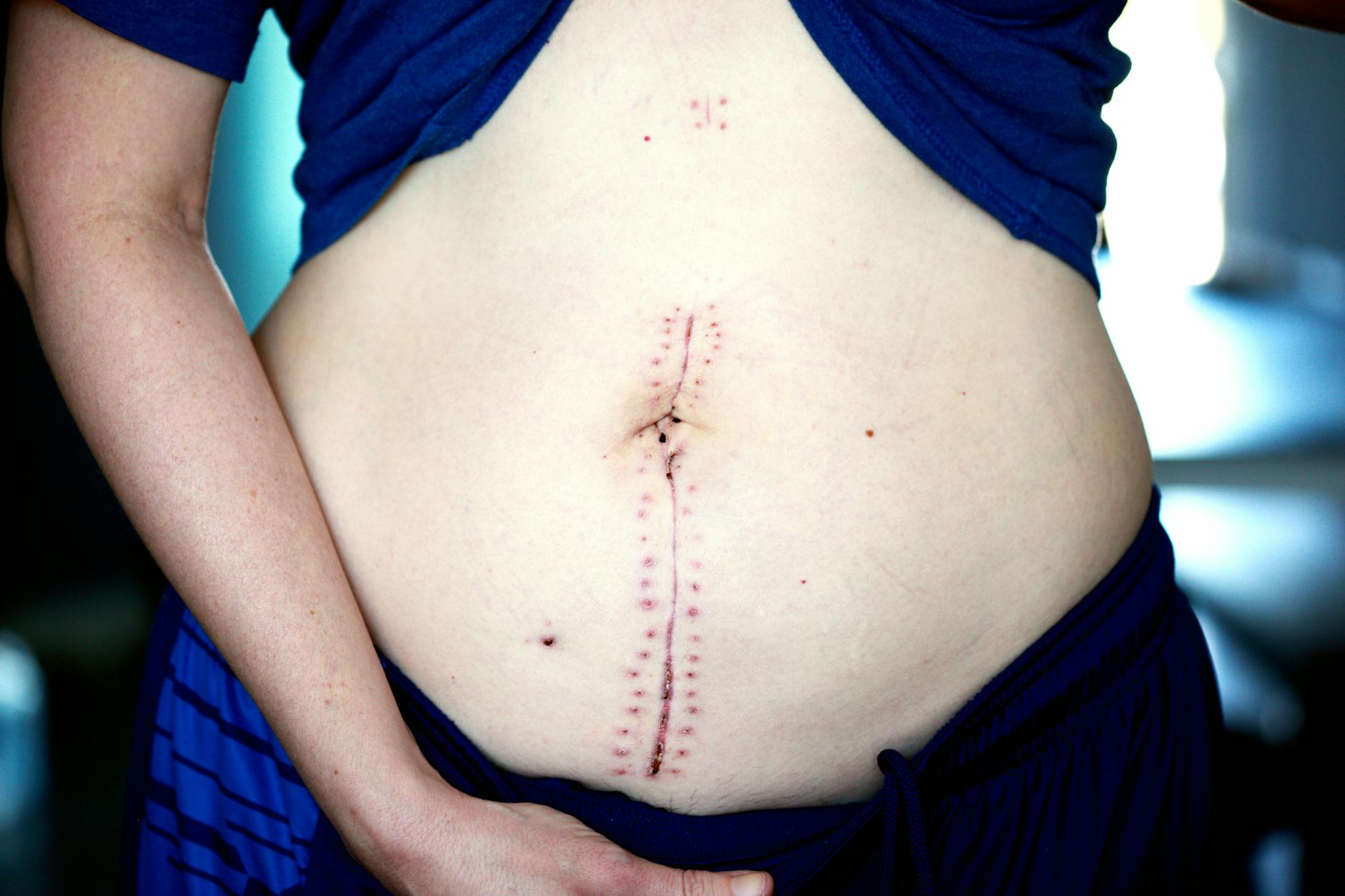
Several biological and lifestyle factors dictate the quality of your tummy tuck before after transition. Age, skin elasticity, and overall health status serve as the primary determinants of how well your tissues will heal and retract. Younger patients with higher collagen levels often experience a more rapid recovery and smoother skin contours. However, experienced surgeons can achieve remarkable results across various age groups by adjusting their surgical approach to suit specific tissue characteristics.
Your lifestyle choices leading up to and following the surgery also leave a lasting impact on your silhouette. Maintaining a stable weight is perhaps the most critical factor in preserving your new abdominal shape for years to come. Rapid fluctuations in body mass can stretch the skin again, potentially undermining the surgical correction. Therefore, viewing these procedures as part of a holistic wellness commitment rather than a quick fix provides a more realistic perspective.
Smoking and nutritional habits significantly affect wound healing and the final aesthetic appearance. Nicotine constricts blood vessels, which can delay tissue repair and increase the risk of complications like skin necrosis. Patients who prioritize a nutrient-dense diet rich in proteins and vitamins often see better integration of the surgical site. When reviewing clinical outcomes, keep in mind that these variables are what separate standard results from exceptional ones.
The technical skill of your medical team remains the most influential variable in your transformation. A surgeon must possess a deep understanding of abdominal anatomy to ensure that muscle tightening is symmetrical and skin tension is distributed evenly. This prevents common issues such as contour irregularities or uneven scarring. Este İstanbul provides specialized surgical coordination to help international patients navigate these complex clinical requirements effectively.
Preparing for the Visual Transition
Before you can see your own results, a thorough pre-operative consultation is mandatory to establish a baseline. During this phase, surgeons use measurements and detailed physical exams to map out the intended changes. This stage allows you to discuss specific areas of concern, such as umbilical positioning or lateral contouring, ensuring that the surgical plan aligns with your personal aesthetic goals.
Mental preparation is just as vital as physical readiness when anticipating a major body transformation. It can be helpful to document your current state through photographs for your own private reference. This allows you to track your progress during the healing phases and provides a sense of accomplishment as you move closer to your final result. Understanding that the journey involves swelling and bruising helps mitigate frustration during the early weeks of recovery.
The Recovery Timeline: From Surgery to Final Results

The transition from “before” to “after” is not an overnight event; it is a gradual process that unfolds over several months. In the first few weeks, your body focuses on intense healing, which involves significant swelling and discomfort. During this period, you might feel that the results are obscured by inflammation or bruising. It is crucial to remain patient and follow all post-operative instructions regarding compression garments and activity restrictions.
As the initial swelling subsides between three to six months, your true contours begin to emerge. This is often when patients first experience the excitement of seeing their tummy tuck before after progress in real time. The skin begins to settle over the newly tightened muscle wall, and the incision lines start to lighten. However, even at this stage, internal healing continues beneath the surface for up to a full year.
Long-term stability is achieved when all residual swelling has completely disappeared and the scar tissue has matured. Most surgeons suggest waiting at least twelve months before judging the final outcome of an abdominoplasty. This patience ensures that you are evaluating your body in its most stable, permanent state. A successful recovery requires a disciplined approach to movement, hydration, and skin care during this entire duration.
Managing expectations regarding the “final look” involves understanding that perfection is subjective. While surgery can drastically improve abdominal aesthetics, it cannot change your fundamental bone structure or overall body proportions. The goal of an abdominoplasty is to create a harmonious, tightened midsection that complements your existing frame. By focusing on these realistic milestones, you can navigate the recovery period with greater confidence and clarity.
Common Post-Operative Milestones
- Weeks 1-2: Focus on wound care, managing swelling through compression, and light walking to prevent blood clots.
- Months 1-3: Gradual return to normal activities; significant reduction in visible bruising and initial swelling.
- Months 6-12: Scar maturation phase where incisions become less noticeable and the final abdominal contour stabilizes.
Este İstanbul assists patients by providing structured guidance throughout every stage of this recovery process, ensuring you feel supported from your arrival until your final follow-up. Our approach focuses on delivering clear information so that your journey toward a renewed silhouette is as seamless as possible.

